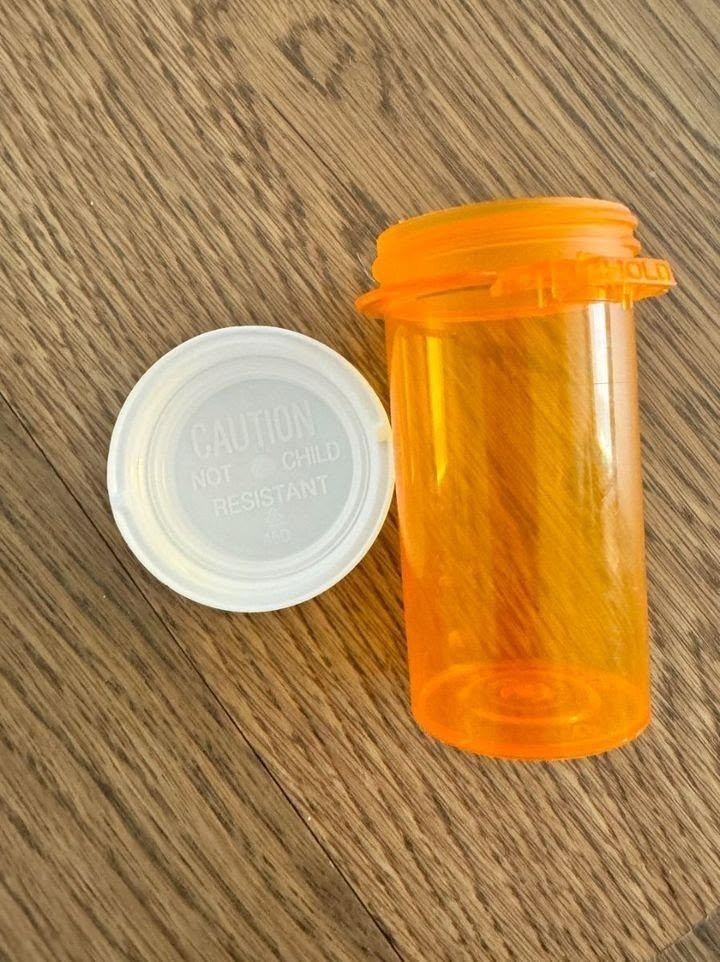
Step-by-Step Cleaning Guide
|
Step
|
Action
|
Why It Matters
|
|---|---|---|
|
1. Remove labels
|
Soak in warm, soapy water; gently peel or scrub off adhesive
|
Prevents confusion; creates a clean canvas
|
|
2. Wash thoroughly
|
Use warm, soapy water and a small bottle brush (or shake vigorously with soap and water)
|
Removes residue and potential contaminants
|
|
3. Rinse well
|
Run under clean water until no soap remains
|
Ensures no chemical residue transfers to stored items
|
|
**4. Sanitize **(optional)
|
Dip in boiling water for 30 seconds or wipe with rubbing alcohol
|
Adds extra protection for sensitive uses
|
|
5. Air dry completely
|
Place upside-down on a clean towel until fully dry
|
Prevents mold or moisture damage to stored items
|
⚠️ Critical Safety Note: Never reuse pill bottles for food or medication. The plastic is not food-grade, and you don’t want cross-contamination. Stick to non-food, non-medical uses only.
🎒 12 Clever Ways to Repurpose Old Pill Bottles
1. Travel-Sized First Aid Kit
What to store: Band-aids, antiseptic wipes, pain relievers (in original packaging), blister pads, tweezers.
Why it works: Pill bottles are waterproof, compact, and fit easily in a purse, backpack, or glove compartment.
✅ Pro tip: Label the outside with a permanent marker or washi tape: “FIRST AID” + date.
2. Emergency Seed Storage for Gardeners
What to store: Small seeds (herbs, flowers, vegetables) for next season.
Why it works: Airtight caps protect seeds from moisture and pests; transparent bottles let you see contents.
✅ Pro tip: Add a small silica gel packet (from shoe boxes or vitamin bottles) to absorb excess moisture. Label with plant name and date.
3. Small Parts Organizer for Crafters & DIYers
What to store: Beads, sequins, small buttons, screws, nails, washers, earring backs, safety pins.
Why it works: Clear bottles let you see contents at a glance; child-resistant caps keep tiny items secure.
✅ Pro tip: Arrange bottles in a shallow box or drawer divider for a portable, visible organization system.
4. Travel Toiletry Mini-Containers
What to store: Cotton swabs, bobby pins, contact lens cases (cleaned), small amounts of cream (in original packaging), dental floss.
Why it works: Leak-resistant caps and compact size make them ideal for carry-on toiletry bags.
✅ Pro tip: Use different colored caps or labels to categorize items (e.g., green for dental, blue for hair).
⚠️ Reminder: Do not store liquids unless the bottle is confirmed leak-proof. Test with water first.
5. Hidden Emergency Cash or Key Stash
What to store: Folded emergency cash, a spare house key, a written emergency contact list.
Why it works: Pill bottles blend in on a shelf or in a drawer; child-resistant caps add a layer of security.
✅ Pro tip: Bury it in a plant pot, hide it in a toolbox, or keep it in your car’s glove compartment. Label discreetly: “EMERGENCY.”
6. DIY Camping Spice Containers
What to store: Salt, pepper, garlic powder, chili flakes, or your favorite trail seasoning blend.
Why it works: Lightweight, waterproof, and the shaker-top design (if your bottle has one) is perfect for seasoning food outdoors.
✅ Pro tip: Punch tiny holes in the cap with a needle to create a DIY shaker. Label with spice name using a permanent marker.
7. Craft Supply Storage for Tiny Treasures
What to store: Glitter, sequins, small charms, embroidery floss bobbins, paintbrush tips, glue dots.
Why it works: Clear bottles let you see colors and quantities; stackable design saves space.
✅ Pro tip: Group bottles by color or project in a small basket for a portable craft caddy.
8. Travel Jewelry Keeper
What to store: Stud earrings, small rings, delicate chains, watch batteries, jewelry cleaning cloths.
Why it works: Prevents tangles and loss; compact size fits in any travel bag.
✅ Pro tip: Line the inside with a small piece of felt or cotton to cushion delicate pieces.
9. Emergency Survival Kit Additions
What to store: Waterproof matches, fishing hooks and line, water purification tablets, small compass, emergency whistle.
Why it works: Waterproof and durable—ideal for hiking, camping, or emergency preparedness kits.
✅ Pro tip: Keep one bottle in your car, one in your hiking pack, and one at home. Label clearly: “SURVIVAL.”
10. Pet Treat Dispenser or Training Aid
What to store: Small training treats, pill pockets (for administering medication to pets), or kibble for portion control.
Why it works: Child-resistant caps can double as pet-resistant; portable for walks or training sessions.
✅ Pro tip: Shake gently to dispense one treat at a time—great for positive reinforcement training.
⚠️ Note: Ensure the bottle is thoroughly cleaned and never previously held medication toxic to pets.
11. DIY Mini Terrarium or Snow Globe
What to store: Small succulents, moss, decorative stones, or (for snow globes) glitter, water, and a tiny figurine.
Why it works: Clear plastic showcases your creation; screw-top lid seals in moisture for terrariums.
✅ Pro tip: For terrariums, add a layer of small pebbles for drainage, then activated charcoal, then soil. For snow globes, use distilled water and a drop of glycerin to slow glitter fall.
12. Cord & Charging Cable Organizer
What to store: Earbuds, charging cables, USB drives, SD cards, small adapters.
Why it works: Prevents tangles; compact size fits in bags or drawers; caps keep dust out.
✅ Pro tip: Wrap cables loosely before storing to avoid kinks. Label the cap: “EARBUDS” or “CHARGER.”
🌍 Bonus: Environmental Impact of Repurposing
Every pill bottle you reuse is one less item in the recycling stream—or worse, the landfill.
Why This Small Act Matters
|
Fact
|
Impact
|
|---|---|
|
**Plastic pill bottles are #5 **(PP)
|
Not all curbside programs accept them; many end up in landfills
|
|
Repurposing extends product life
|
Reduces demand for new plastic containers
|
|
Small actions compound
|
If every household reused just 5 pill bottles/year, millions of containers would be diverted from waste streams
|
✅ When you’re truly done: If a bottle is cracked, cloudy, or no longer useful, check with your local recycling program. Some accept #5 plastic; others do not. When in doubt, contact your municipal waste authority.
🏷️ Labeling Tips for Repurposed Bottles
Clear labeling prevents confusion and maximizes usefulness.
Simple Labeling Ideas
|
Method
|
Best For
|
How-To
|
|---|---|---|
|
Permanent marker
|
Temporary or indoor uses
|
Write directly on bottle or cap; wipe with alcohol to remove
|
|
Washi tape + pen
|
Decorative or color-coded systems
|
Wrap tape around bottle; label with fine-tip pen
|
|
Printed labels
|
Professional or gift purposes
|
Use address labels or sticker paper; seal with clear tape
|
|
Chalkboard labels
|
Reusable, changeable systems
|
Apply chalkboard sticker; write with chalk marker
|
|
Color-coded caps
|
Quick visual identification
|
Paint caps with nail polish or use colored electrical tape
|
✅ Pro tip: Always include the date for time-sensitive items (seeds, first aid supplies, survival gear).
❓ FAQs: Your Pill Bottle Repurposing Questions, Answered
Q: Can I recycle pill bottles after repurposing them?
A: Yes, if they’re clean and your local program accepts #5 plastic. Remove labels and caps (check if caps are accepted separately). When in doubt, contact your waste management provider.
A: Yes, if they’re clean and your local program accepts #5 plastic. Remove labels and caps (check if caps are accepted separately). When in doubt, contact your waste management provider.
Q: Are pill bottles BPA-free?
A: Most modern pill bottles are made from #5 polypropylene (PP), which is typically BPA-free. However, they are not food-grade. Never use them for food or drink storage.
A: Most modern pill bottles are made from #5 polypropylene (PP), which is typically BPA-free. However, they are not food-grade. Never use them for food or drink storage.
Q: Can I use these for travel liquids?
A: Only if you’ve confirmed the bottle is truly leak-proof. Test with water first. For toiletries, it’s safer to use containers designed for travel.
A: Only if you’ve confirmed the bottle is truly leak-proof. Test with water first. For toiletries, it’s safer to use containers designed for travel.
Q: How do I remove stubborn adhesive from labels?
A: Soak in warm, soapy water, then gently rub with a paste of baking soda and water or a small amount of cooking oil. Rinse thoroughly.
A: Soak in warm, soapy water, then gently rub with a paste of baking soda and water or a small amount of cooking oil. Rinse thoroughly.
Q: Can kids help with repurposing projects?
A: Yes! Cleaning bottles, labeling, and filling them with craft supplies are great fine-motor activities. Always supervise and ensure bottles are clean and safe.
A: Yes! Cleaning bottles, labeling, and filling them with craft supplies are great fine-motor activities. Always supervise and ensure bottles are clean and safe.
Q: What if I have a large number of bottles?
A: Consider donating clean, empty bottles to:
A: Consider donating clean, empty bottles to:
- Local schools for art projects
- Community gardens for seed storage
- Scout troops for camping kits
- Craft groups or senior centers
Q: Are there any uses I should avoid?
A: Yes. Never use for:
A: Yes. Never use for:
- Food or beverage storage
- Medication storage (risk of confusion or contamination)
- Storing chemicals that could degrade the plastic
- Anything that requires food-grade certification
💙 A Compassionate Reminder
If you’ve been tossing pill bottles without a second thought, please don’t feel bad. Most of us do.
But now you know: those small containers hold potential. Not just for organization or creativity—but for a small act of care for your space, your resources, and the planet.
You don’t have to repurpose every bottle. You don’t have to be perfect. You just have to start where you are.
One bottle. One idea. One small step toward a little less waste and a little more ingenuity.
That’s enough.
🧭 The Bottom Line
Empty pill bottles aren’t trash. They’re tools waiting for a second act.
Remember: ♻️ Clean thoroughly and never reuse for food or medication
🎒 12+ practical uses—from travel kits to craft storage—make repurposing easy
🏷️ Simple labeling prevents confusion and maximizes usefulness
🌍 Every reused bottle reduces waste and extends the life of existing materials
💙 Small actions, repeated, create meaningful change
🎒 12+ practical uses—from travel kits to craft storage—make repurposing easy
🏷️ Simple labeling prevents confusion and maximizes usefulness
🌍 Every reused bottle reduces waste and extends the life of existing materials
💙 Small actions, repeated, create meaningful change
So the next time you finish a prescription, pause before you toss. Rinse that bottle. Imagine its next chapter. And give it a second life—on your terms.
Your creativity, your space, and the planet will thank you.
For Complete Cooking STEPS Please Head On Over To Next Page Or Open button (>)